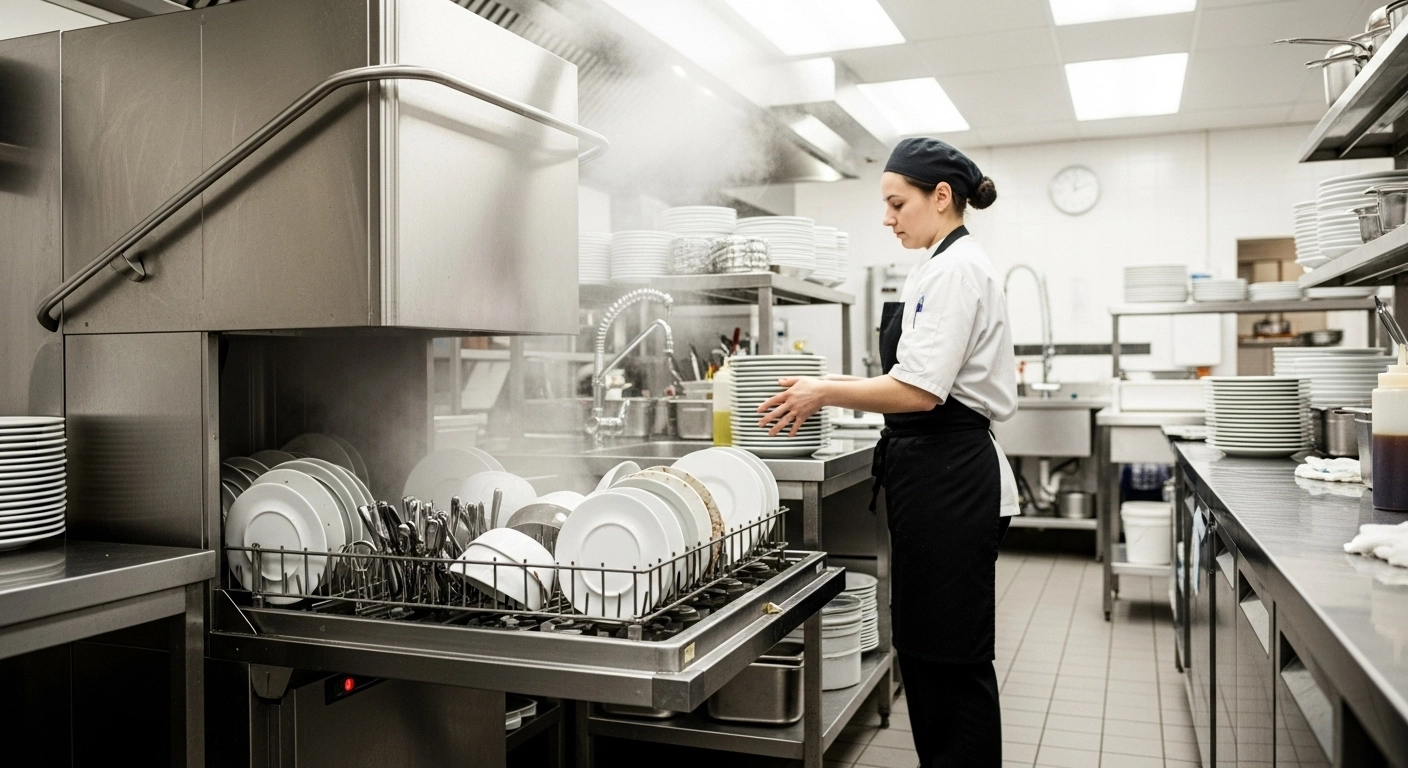
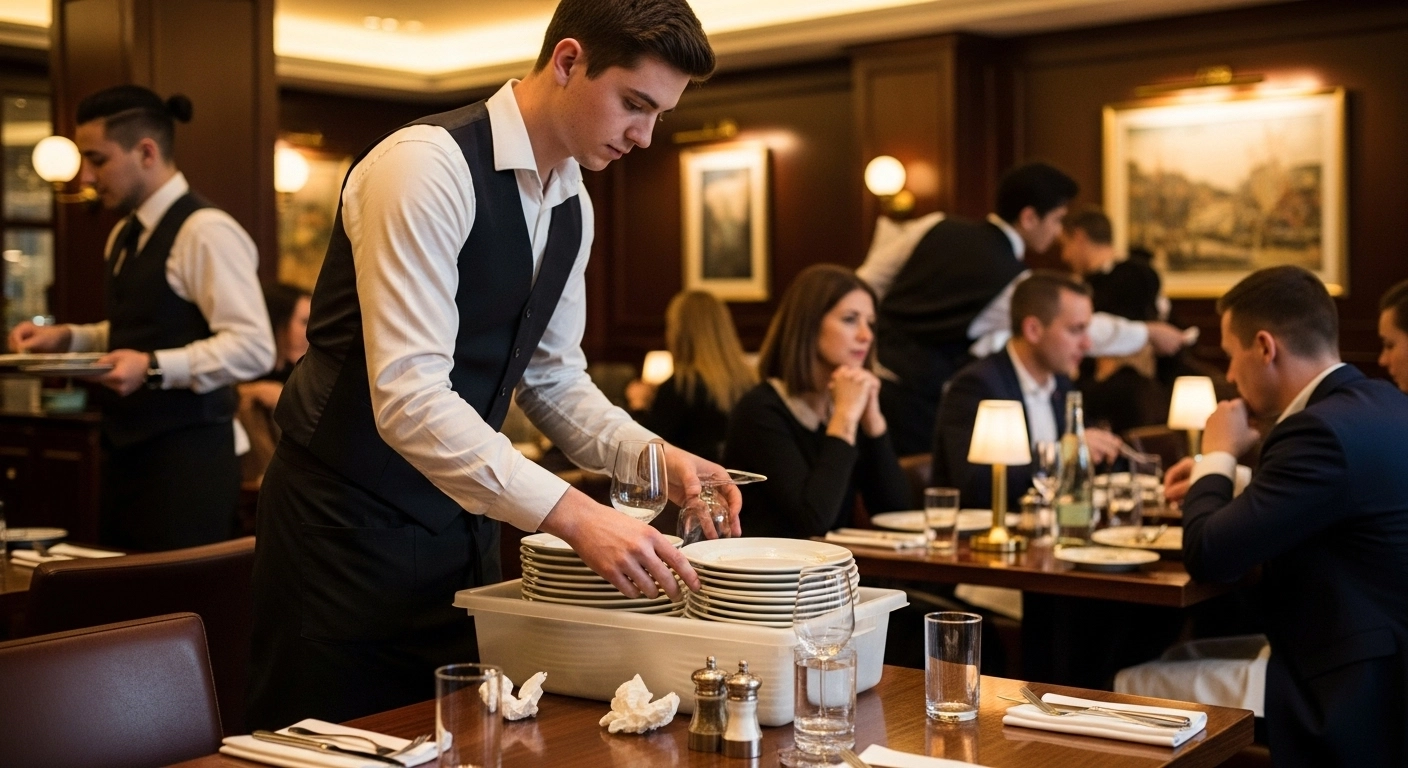
Dishwashers keep kitchens running by cleaning and sanitizing wares, organizing the back-of-house, and supporting service under pressure. Interviews are often brief yet decisive, so both candidates and hiring managers need focused prompts to assess reliability, speed, and safety. This practical guide provides Dishwasher interview questions, sample answers, and hiring checklists to help you prepare and hire with confidence.
Most Common Dishwasher Interview Questions
- Why do you want to work as a dishwasher here?
- How do you keep speed and quality high during a rush?
- How do you prioritize what to wash first when everything is coming in at once?
- Describe how you ensure wares are fully sanitized.
- A dish machine fails mid-service—what do you do?
- How do you communicate shortages to cooks/servers before they become a problem?
- What is your availability, including nights, weekends, and holidays?
- Tell me about a time you received constructive feedback and what you changed.
- What opening or closing checklist items would you include for the dish area?
- Where do you see yourself growing next in the kitchen?
Motivation & Culture Fit Questions
Why do you want to work as a dishwasher here?
Sample Answer: I like the pace of your restaurant and the emphasis on teamwork and cleanliness I saw when I visited. The location and schedule fit my life, and I’m excited to contribute to a kitchen that cooks from scratch so I can learn more and support the line effectively.
What a Strong Answer Includes
- Specific reasons tied to the restaurant’s concept, pace, or values
- Realistic understanding of the role and its impact on service
- Genuine interest in learning and being dependable
What do you think is the most important part of the dishwasher role?
Sample Answer: Consistent sanitation and flow. If clean wares arrive on time and are truly sanitized, the whole kitchen can keep cooking smoothly and safely.
What a Strong Answer Includes
- Focus on safety, speed, and supporting the line/FOH
- Understanding of cleanliness standards vs. just “looking clean”
- Awareness of how dish station performance affects the whole team
What qualities make someone successful in this position?
Sample Answer: Reliability, organization, and calm communication. Those traits keep the racks moving and help the team handle rushes without mistakes.
What a Strong Answer Includes
- Highlights reliability, stamina, attention to detail, and teamwork
- Mentions communication under pressure
- Shows self-awareness and professional attitude
Background & Experience Questions
Walk me through your relevant experience in dishwashing or back-of-house support.
Sample Answer: I’ve worked in two high-volume kitchens using both high-temp and low-temp machines. I also bussed, did light prep, and learned to organize the dish area to minimize rewash and wait times.
What a Strong Answer Includes
- Clear timeline and scope of responsibilities
- Examples of volume, equipment types, and multitasking
- Growth or improvements made in prior roles
What dish machines have you used, and what basic maintenance can you handle?
Sample Answer: I’ve run both high-temp and low-temp units. I can delime, clean strainers and spray arms, check rinse temps or sanitizer ppm, and contact the vendor or manager if the issue is beyond a quick fix.
What a Strong Answer Includes
- Knowledge of machine types and routine upkeep
- Proper escalation when problems exceed scope
- Commitment to safe, documented maintenance practices
Tell me about a time you received constructive feedback and what you changed.
Sample Answer: A supervisor noted I was overloading racks, leading to rewash. I adjusted spacing, pre-rinsed better, and our rewash rate dropped noticeably during busy periods.
What a Strong Answer Includes
- Specific feedback and the behavior change that followed
- Result or improvement tied to the change
- Openness to coaching and continuous improvement
What other BOH duties have you handled?
Sample Answer: Bussing, trash runs, sweeping/mopping, and light prep like peeling or portioning. I’m comfortable helping wherever needed as long as sanitation comes first.
What a Strong Answer Includes
- Range of tasks showing versatility
- Sanitation-first mindset when switching duties
- Team-first attitude and flexibility
Availability & Reliability Questions
What is your availability, including nights, weekends, and holidays?
Sample Answer: I can work evenings and weekends, and I’m available for most holidays with notice. I’m seeking 30–35 hours per week and can start next week.
What a Strong Answer Includes
- Clear, specific days/hours and start date
- Willingness to cover peak service times
- Consistency and honesty about limits
Do you have reliable transportation, especially for late shifts?
Sample Answer: Yes—bus until 10 p.m. and rideshare after. I budget for late rides so I’m on time and can stay if the shift runs long.
What a Strong Answer Includes
- Concrete plan for punctuality and late hours
- Contingencies for transit issues or extended shifts
- Proof of reliability over time
When can you start, and how many hours are you targeting?
Sample Answer: I can start Monday and would like four to five shifts per week. I’m open to extra hours during busy weeks.
What a Strong Answer Includes
- Immediate availability or realistic notice
- Desired hours aligned to business needs
- Flexibility during peak periods
Speed, Organization & Prioritization Questions
How do you keep speed and quality high during a rush?
Sample Answer: I stage extra racks, pre-sort and scrape, and batch similar items. I check spray/rinse quickly to avoid rewash and communicate with expo about urgent needs.
What a Strong Answer Includes
- Prepping the station before the rush (racks, space, chemicals)
- Batching, scanning, and minimizing rework
- Active communication with line/FOH
How do you prioritize what to wash first when everything is coming in at once?
Sample Answer: I run items that turn tables first—glassware and plates—then critical line tools like sauté pans and sheet trays. I call out ETAs and ask stations for any fire-drills so I can sequence accordingly.
What a Strong Answer Includes
- Triaging by service impact and table turns
- Coordination with line cooks and expo
- Dynamic reprioritization as needs change
Walk me through how you set up and run the dish station during a busy service.
Sample Answer: I map a dirty-to-clean flow, keep scraping and pre-rinse consistent, and stage backup racks. I log sanitizer checks or final rinse temp on schedule and keep counters clear to prevent cross-contamination.
What a Strong Answer Includes
- Clear workflow from dirty intake to air-dry
- Routine checks for temps/ppm and documentation
- Space management to keep the line moving
How do you plan par levels for clean wares and stay ahead during peaks?
Sample Answer: I learn peak times and build par counts for plates, glassware, and key pans before the rush. I keep a hot list from expo so I stay ahead on the most-used items.
What a Strong Answer Includes
- Forecasting based on menu and volume
- Par planning tied to critical items
- Real-time adjustments using feedback from service
Safety & Sanitation Questions
Describe how you ensure wares are fully sanitized.
Sample Answer: For high-temp, I verify the final rinse reaches the required temperature; for low-temp, I check sanitizer ppm with test strips and refresh as needed. I allow items to air-dry and never towel-dry to keep them food-safe.
What a Strong Answer Includes
- Mentions temp or sanitizer concentration checks and frequency
- Air-drying and proper handling post-sanitize
- Knows when to change water/chemicals and log checks
How do you prevent cross-contamination between raw and ready-to-eat items?
Sample Answer: I separate intake zones, use dedicated racks/bins, and clean/sanitize contact surfaces between categories. I change gloves and sanitize sink bays as needed.
What a Strong Answer Includes
- Physical separation and color-coding or labeling
- Surface and equipment sanitation between tasks
- Personal hygiene and glove changes at the right times
How do you handle sharp knives and broken glass safely?
Sample Answer: Knives go in designated containers, never loose in sinks. For broken glass, I isolate the area, use a broom and dustpan, dispose in a marked container, and sanitize the surface.
What a Strong Answer Includes
- Clear, specific safety steps for sharps/breakage
- Isolation and proper disposal procedures
- Post-cleanup sanitation to protect guests and staff
Scenario-Based Problem Solving Questions
A dish machine fails mid-service—what do you do?
Sample Answer: I alert the chef, troubleshoot quick checks (power, door switch, spray arms), and switch to the three-comp sink with correct wash/rinse/sanitize temps or ppm. I ask for a runner to help, call the vendor if needed, and communicate realistic ETAs to the line.
What a Strong Answer Includes
- Calm escalation and immediate backup plan
- Correct manual sanitation process and checks
- Communication that helps the kitchen adapt
You dropped and broke a stack of plates—what’s your response?
Sample Answer: I block off the area, clean glass or ceramic safely, dispose properly, and sanitize the floor. Then I inform FOH/BOH about any temporary plate shortage and adjust priorities to recover.
What a Strong Answer Includes
- Safety-first cleanup and disposal
- Sanitation of the affected area
- Communication of any impact on par levels
How would you adapt if racks or drying space run short on a packed night?
Sample Answer: I rotate racks faster by batching similar items, repurpose speed racks or sheet pans as temporary drying space, and stage overflow safely away from food. I coordinate with expo on which items to fast-track.
What a Strong Answer Includes
- Creative but safe use of available space
- Maintains sanitary airflow and avoids stacking wet items
- Prioritizes high-impact wares with the team
Teamwork & Communication Questions
How do you communicate shortages to cooks/servers before they become a problem?
Sample Answer: I keep a running count of critical wares, call out early when levels dip, and post quick notes on a whiteboard by expo. I also fast-track the items and tell the line when to expect them.
What a Strong Answer Includes
- Proactive tracking of par levels
- Clear, early communication with ETAs
- Actions taken to resolve the shortage
How would you handle several people giving you directions at once?
Sample Answer: I quickly confirm priorities with the chef or expo, repeat back the top tasks, and timebox them. Then I give brief updates so everyone knows when items will be ready.
What a Strong Answer Includes
- Defers to the right person to set priorities
- Uses concise confirmations and updates
- Stays calm and focused under pressure
Tell me about a time you resolved a disagreement at work.
Sample Answer: A cook felt I was slow on sauté pans; we walked the station together and adjusted my batching and rack order. Turnaround improved, and we agreed on a quick signal for urgent pans.
What a Strong Answer Includes
- Professional, calm approach to conflict
- Specific actions and a practical resolution
- Prevention steps to avoid repeat issues
Pressure, Endurance & Attitude Questions
How do you keep pace and a positive attitude through long, repetitive shifts?
Sample Answer: I pace my energy, keep the station tidy to reduce extra steps, and set small goals during rushes. I focus on accuracy to avoid rework, which saves energy and keeps morale up.
What a Strong Answer Includes
- Energy management and smart station setup
- Focus on quality to avoid wasted effort
- Team-oriented mindset during tough stretches
Are you comfortable with physically demanding work for extended periods?
Sample Answer: Yes—I'm used to standing 8–10 hours, lifting up to 40–50 lbs, and working in heat and humidity. I stretch before shifts, hydrate, and wear proper footwear.
What a Strong Answer Includes
- Honest statement of physical readiness
- Examples of prior endurance in similar roles
- Safe habits that prevent injuries
What was the most challenging situation you’ve faced at work?
Sample Answer: During a double-booked event, we fell behind on glassware. I requested a runner, prioritized glass-only racks, and stabilized service within 20 minutes.
What a Strong Answer Includes
- High-pressure context with clear actions
- Team coordination and prioritization
- Measurable stabilization or improvement
Operations, Checklists & KPIs Questions
What opening or closing checklist items would you include for the dish area?
Sample Answer: Opening: set up three-comp sink, verify chemicals/ppm, delime if needed, stage racks, trash/cans lined. Closing: drain/clean machine and screens, sanitize bays, squeegee floors, restock chemicals, log temps/ppm, and leave racks set for the next shift.
What a Strong Answer Includes
- Specific, sequenced tasks for both open and close
- Sanitation checks and documentation
- Preparation that speeds the next shift
How do you track sanitizer levels and temperatures during service?
Sample Answer: I test and log on a set schedule (e.g., hourly or as required), change solutions when readings are off, and recalibrate or notify a manager if readings are inconsistent.
What a Strong Answer Includes
- Testing frequency and acceptable ranges
- Immediate corrective actions
- Documentation to satisfy inspections
What do you do to reduce breakage and water use?
Sample Answer: I avoid overloading racks, use correct racks for glassware, and stage items to minimize handling. I scrape, not soak excessively, and run full racks at proper settings.
What a Strong Answer Includes
- Handling techniques that prevent damage
- Rack selection and load discipline
- Conservation steps that don’t sacrifice sanitation
Career Growth & Company Understanding Questions
Where do you see yourself growing next in the kitchen?
Sample Answer: I want to master the dish station, earn a food-safety card, and move into prep within a year. Long-term, I’d like to learn a line station and support inventory or ordering.
What a Strong Answer Includes
- Short-term mastery and clear next steps
- Interest in certifications or added responsibility
- Growth path aligned to the restaurant
What do you know about our restaurant, and why does it appeal to you?
Sample Answer: You’re known for high volume and consistent quality, and your menu requires fast turn of sheet trays and pans. That pace fits my strengths and helps me learn from experienced cooks.
What a Strong Answer Includes
- Evidence of research (menu, volume, concept)
- Connection between role demands and personal strengths
- Motivation to contribute and learn
Do you have any questions for us about the role or compensation?
Sample Answer: I’d like to confirm typical shift length, training on your machines, and whether pooled tips apply to BOH. Also, what does success look like in the first 30 days?
What a Strong Answer Includes
- Clarifies schedule, training, and pay structure
- Shows interest in expectations and success metrics
- Professional, concise questions
Candidate Preparation Tips
- Research pay, tips, and benefits locally; confirm if BOH participates in tip pools.
- Be ready to start quickly: bring availability, transportation plan, and earliest start date.
- Prepare physically: non-slip shoes, hydration habits, and readiness for long shifts.
- Know your machines: high-temp vs. low-temp basics, test strips, and deliming.
- Bring references who can speak to reliability and pace.
Quick Screening Tips for Employers
- Open with logistics: availability, start date, transportation—many hires are made fast.
- Run a short station drill: load a rack correctly, explain sanitizer checks, and triage priorities.
- Seek team mindset: watch for calm communication, respect for cleanliness, and no badmouthing of prior workplaces.
- Clarify compensation early: base rate, tips eligibility, breaks, and overtime practices.
- Share growth paths to improve retention (prep, line, food-safety training).
FAQs about Dishwasher Interviews
Do dishwashers need a food-safety certification?
Not always, but many employers prefer it and some jurisdictions require permits. Even without certification, you should know sanitizer targets, temps, and cross-contamination basics.
What hours do dishwashers typically work?
Evenings, weekends, and holidays are common. Expect shifts to run late when service goes long or for events.
What machine types are common?
High-temp machines sanitize with heat; low-temp machines use chemical sanitizer. You should know how to test final-rinse temperature or sanitizer ppm and when to change solutions.
How can I prepare physically for the role?
Wear supportive, non-slip shoes, hydrate, and stretch. Plan meals and rest to handle long periods of standing, lifting, and repetitive motion.