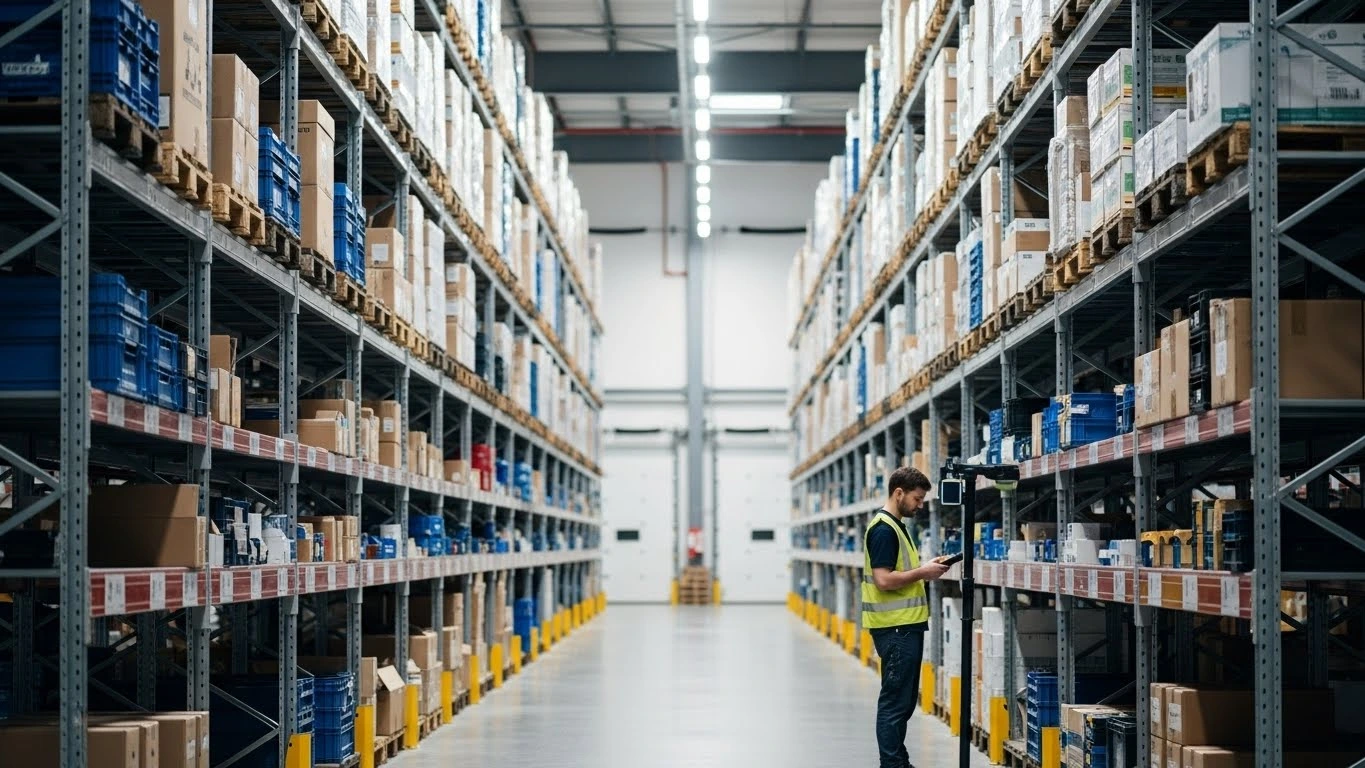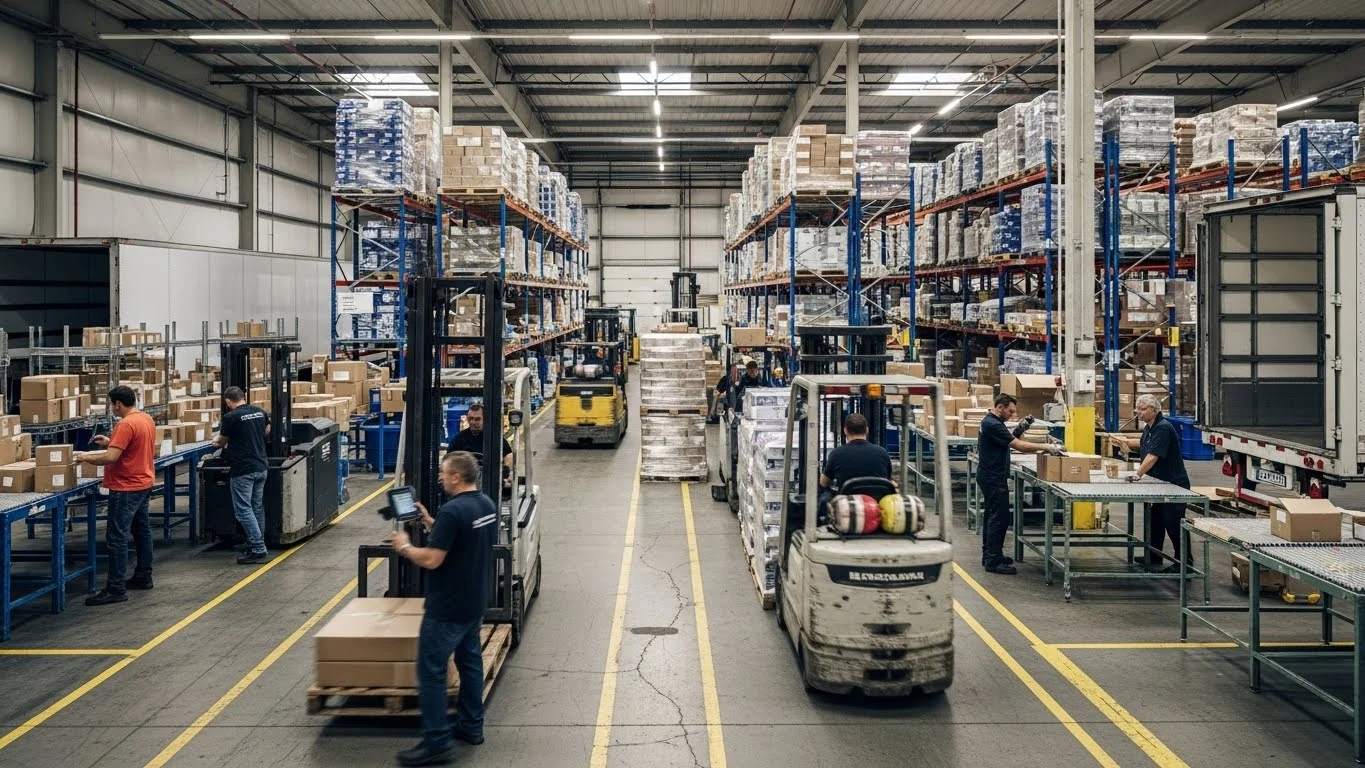
Managing staffing in warehouses and light industrial operations can be tough. High turnover, last-minute call-offs, and fluctuating demand make it hard to have the right number of qualified workers on every shift. Relying on spreadsheets, phone calls, or manual scheduling is slow, error-prone, and can lead to missed deadlines, higher labor costs, and safety risks.
The solution is specialized staffing software for warehouse and light industrial. These platforms streamline scheduling, shift fulfillment, time tracking, payroll, and compliance management, helping managers fill shifts quickly, track worker performance, and maintain efficiency even during peak periods.
In this article, we highlight the best staffing software for warehouse and light industrial operations:
Instawork adapts its flexible staffing platform for warehouse and light industrial environments, helping businesses vet, hire, and deploy qualified workers quickly. The platform combines speed, reliability, and compliance to meet the fast-paced needs of warehouse operations.
Key features include:
Every worker is screened with background checks, verification of skills, and required certifications to ensure they are ready for warehouse or light industrial tasks. This reduces the risk of placing unqualified staff on shifts and improves overall workforce reliability.
Managers can create rosters of their preferred workers to request them for future shifts, while also blocking workers who were not a good fit. This allows staffing teams to retain top performers and maintain a consistent, high-quality workforce.
Shifts can be filled within just a few hours, far faster than traditional staffing methods that often take several days. This capability is crucial for warehouses and industrial operations facing last-minute demand spikes or unexpected absences.
The mobile app allows managers to track when workers are on their way, confirm arrival, and manage clock-in and clock-out in real time. This provides full visibility into shift attendance and ensures accurate timekeeping for payroll and compliance purposes.
AkkenCloud is a full-featured staffing platform designed for light industrial and warehouse roles. It allows agencies and employers to source candidates, track applications, manage onboarding, and ensure compliance with required certifications, while also handling payroll and billing. This makes it a complete solution for staffing teams needing fast and reliable placement of workers. (akkencloud.com)
WOLF specializes in staffing warehouse and light industrial roles by providing tools to onboard workers, verify credentials, match candidates to open shifts, and communicate in real time. Its mobile-first platform ensures that both employers and workers can manage schedules and availability easily, enabling staffing teams to fill shifts quickly and efficiently. (wolf.xyz)
Workstaff focuses on recruiting, scheduling, and managing warehouse staff. Employers can post jobs, book workers based on skills and availability, track hours, and export payroll data, all in one platform. Its real-time features help staffing teams respond to last-minute needs and maintain compliance with training and certifications. (workstaff.app)
Shiftboard provides staffing and scheduling software tailored for warehouses and industrial operations, enabling managers to assign workers to shifts based on availability, skills, and demand. It automates communications, helps optimize coverage, and ensures that qualified workers are always matched to open positions. (shiftboard.com)
Staffing software for warehouse and light industrial staffing is technology designed to help companies plan, source, schedule, and manage hourly workers in fast-paced environments. These tools replace manual processes like spreadsheets, phone calls, and paper timecards with automated systems that improve visibility, speed, and accuracy.
Staffing software simplifies the process of finding, screening, and hiring qualified candidates for warehouse and light industrial roles. It allows employers to post job openings, track applicants, and maintain a database of pre-vetted workers with the necessary certifications, such as forklift licenses or OSHA training. By automating these processes, the software ensures that staffing teams can quickly match available workers to open shifts, reducing delays in filling critical positions and minimizing disruptions in operations.
Platforms like Instawork highlight these capabilities by providing applicant tracking and skill-matching tools specifically tailored for high-volume industrial staffing.
One of the core features of warehouse staffing software is advanced scheduling and workforce planning. These tools help managers create and adjust complex shift schedules in real time, taking into account worker availability, skill sets, and labor demand. This is especially important in warehouses and distribution centers, where peak seasons or sudden order surges can require rapid changes to staffing.
Software such as Instawork allows managers to optimize coverage, assign the right employees to the right tasks, and minimize understaffing or overstaffing, all while reducing the manual effort traditionally required to coordinate shifts.
Accurate tracking of hours worked is essential for both operational efficiency and labor cost management in warehouse and light industrial settings. Staffing software provides tools for clocking in and out, tracking overtime, and monitoring attendance, often through mobile apps or kiosks. This real-time visibility allows supervisors to respond quickly to absences, late arrivals, or unexpected demand spikes.
By automating timekeeping, platforms like Instawork reduce errors in payroll, ensure compliance with labor regulations, and give managers actionable insights into workforce productivity.
Staffing software often integrates time and attendance data with payroll systems to streamline wage calculation and billing. For staffing agencies, this means generating invoices for clients and paying temporary workers accurately and on time. Automation reduces the risk of manual errors, accelerates financial workflows, and provides transparency for both employers and employees. Workstaff and similar platforms demonstrate how this integration allows warehouse operations to manage large numbers of hourly employees efficiently while maintaining cost control and accountability.
Compliance is a critical concern in warehouse and light industrial roles, where workers may be required to hold specific certifications or follow safety protocols. Staffing software maintains records of employee training, licenses, and regulatory compliance, ensuring that only qualified workers are assigned to tasks that require specific skills.
Staffing software such as Instawork, help staffing agencies and employers track compliance across multiple sites, reducing legal risk and improving safety standards throughout the operation.
Modern warehouse staffing software often includes mobile capabilities that allow employees to manage their schedules, confirm availability, and receive notifications directly from their phones. This level of engagement improves communication between workers and managers, reduces scheduling conflicts, and empowers employees to take more control over their shifts. Mobile access also supports real-time updates, which is crucial in fast-paced warehouse environments where changes in labor demand can occur with little notice.
There are several categories of staffing software commonly used across warehouse and light industrial environments:
Below is a breakdown of each type, what it does, and leading examples.
This type of software focuses on creating, managing, and optimizing shift schedules for warehouse and industrial employees. It helps managers assign workers based on skills, certifications, and availability, while also accounting for demand fluctuations, peak seasons, or sudden absences. Advanced scheduling tools often include automated notifications, mobile apps for employees, and analytics to optimize labor costs. Examples include Shiftboard, Workstaff, and Quinyx.
VMS platforms are primarily used by staffing agencies and large operations that rely on multiple vendors or temporary labor pools. They allow companies to track contracts, manage temp workers, assign shifts, monitor compliance, and handle payroll and billing across multiple sites. This type of software is especially useful for organizations that need to manage high-volume staffing efficiently. Examples include Conexis VMS and other enterprise-grade VMS solutions.
Timekeeping software ensures that employees are accurately tracked for hours worked, overtime, and attendance, which is critical for payroll and compliance. Many of these systems integrate with scheduling and payroll software to provide a seamless workflow from shift assignment to payment. Mobile apps and kiosks are often included to allow clock-in/out at multiple warehouse locations. Platforms like Workstaff often combine this functionality with scheduling.
Some staffing software focuses on analyzing workforce data to optimize labor allocation and productivity. These tools provide insights into shift coverage, worker utilization, and operational efficiency, helping managers make informed staffing decisions and reduce labor costs. Features often include forecasting labor needs based on historical data and automating schedule adjustments.
The best staffing software for warehouse and light industrial staffing depends on your operation’s size, labor model, and variability in demand. Some warehouses need precise workforce forecasting and productivity analytics, while others prioritize speed, flexibility, and access to temporary workers.
Understanding the different categories—and how they fit into your overall operations—makes it easier to choose a solution that improves efficiency, reduces labor risk, and keeps your warehouse running smoothly.
Light industrial staffing software helps warehouses and industrial employers manage high-volume labor needs through scheduling, labor forecasting, time tracking, and workforce optimization. Platforms like Instawork also support flexible, on-demand staffing.
The best software supports rapid hiring, scheduling at scale, and real-time visibility into labor needs. Many high-volume operations use Instawork alongside warehouse labor management systems.
Warehouse labor management software helps track productivity, manage shifts, forecast demand, and control labor costs across warehouse operations.
Top warehouse labor management systems focus on scheduling, performance tracking, and labor optimization. Instawork complements these tools by helping fill labor gaps during peak demand.
Warehouse workforce scheduling software automates shift planning, adjusts staffing based on demand, and improves coverage. Flexible platforms like Instawork help address last-minute staffing needs.
The best tools combine forecasting, scheduling, and flexible labor. Many warehouses pair workforce management software with Instawork to handle seasonal spikes efficiently.
Labor management and workforce optimization platforms help control costs by aligning staffing with real-time demand. Instawork reduces overtime and overstaffing by enabling on-demand labor.
Warehouse forecasting tools use historical data and demand signals to predict labor needs. Instawork supports these systems by supplying workers when forecasts change unexpectedly.
The best platform depends on volume and flexibility needs, but many warehouse operators rely on Instawork for fast, scalable access to qualified workers.
Yes. Warehouse labor management software improves productivity through performance tracking and optimization, while Instawork helps maintain productivity by preventing understaffing.