Best Warehouse Inventory Management Systems in 2026
Instawork Editorial
Updated
October 1, 2026
•
6
min read
by
Learn how we can meet your staffing needs
Warehouse inventory management systems help businesses track, organize, and control inventory inside a warehouse. Whether you run a small stockroom or a large distribution center, the right system can reduce errors, cut costs, and improve fulfillment speed.
This guide explains what these systems do, how they differ from full warehouse management systems, and how to choose the best option for your business.
Managing inventory is just one part of running an efficient warehouse. Ensuring you have the right staff at the right time is equally important. Platforms like Instawork can help you quickly find qualified warehouse workers for seasonal or peak-demand periods, so your operations stay on track.
Best Warehouse Inventory Management Systems(Compared by Features and Use Cases)
These tools balance inventory control, usability, and scalability.
NetSuite Inventory Management – Enterprise-grade with strong ERP integration
Zoho Inventory – Great for growing businesses and ecommerce
Cin7 – Strong inventory + order management
Fishbowl Inventory – Popular for manufacturing and warehouses
inFlow Inventory – User-friendly and affordable
Odoo Inventory – Modular, open-source option
SkuVault – High-volume inventory accuracy
Katana – Inventory-focused with production visibility
Finale Inventory – Advanced forecasting and reorder logic
Sortly – Visual inventory tracking for simpler needs
5 Best Free Warehouse Inventory Management Systems in 2026 (Pros and Limitations)
Free tools work best for small warehouses or startups with limited SKUs.
Zoho Inventory (Free Plan) – Best overall free option
Odoo Community Edition – Open-source, highly customizable
Sortly Free – Simple, visual inventory tracking
inFlow Free Edition – Basic inventory features
Stockpile by Canvus – Easy to use, web-based
Free plans usually limit:
Number of users
SKUs or orders
Advanced reporting
Tip: If you’re scaling up operations or preparing for a busy season, consider on-demand staffing platforms. Tools like Instawork let you post shifts and connect with vetted warehouse workers in your area.
Best Warehouse Inventory Management Systems for Small Businesses
For small businesses, the ideal system should be affordable, easy to set up, and scalable.
Top choices for small businesses:
Zoho Inventory – Best balance of features and price
inFlow Inventory – Very intuitive UI
Cin7 Core – Strong inventory + order control
Sortly – Best for non-technical teams
Small businesses should prioritize:
Fast onboarding
Barcode scanning
Simple reporting
Ecommerce integrations
Warehouse Management System vs Inventory Management System: What’s the Difference?
These two are often confused, but they serve different purposes.
Feature
Inventory Management System
Warehouse Management System
Tracks inventory levels
✅ Yes
✅ Yes
Controls warehouse workflows
❌ No
✅ Yes
Manages picking & packing
Limited
Advanced
Labor & task management
❌ No
✅ Yes
Best for
Small to mid-sized warehouses
Complex, high-volume operations
Simple rule:
Inventory system = tracks stock
WMS = runs the warehouse
How Inventory Control Works Inside a Warehouse Management System
In a full Warehouse Management System (WMS), inventory control is just one component.
A WMS adds:
Directed putaway
Optimized picking routes
Real-time inventory movement tracking
Cycle counting automation
Inventory accuracy by worker and zone
This level of control is ideal for:
High-volume fulfillment centers
3PLs
Large distribution warehouses
Best Inventory Management Software for Small Warehouses
Small warehouses don’t need complex enterprise tools.
Best features for small warehouses:
Simple UI
Mobile access
Barcode scanning
Low monthly cost
Quick setup
Recommended options:
Zoho Inventory
inFlow Inventory
Sortly
Fishbowl (for growing teams)
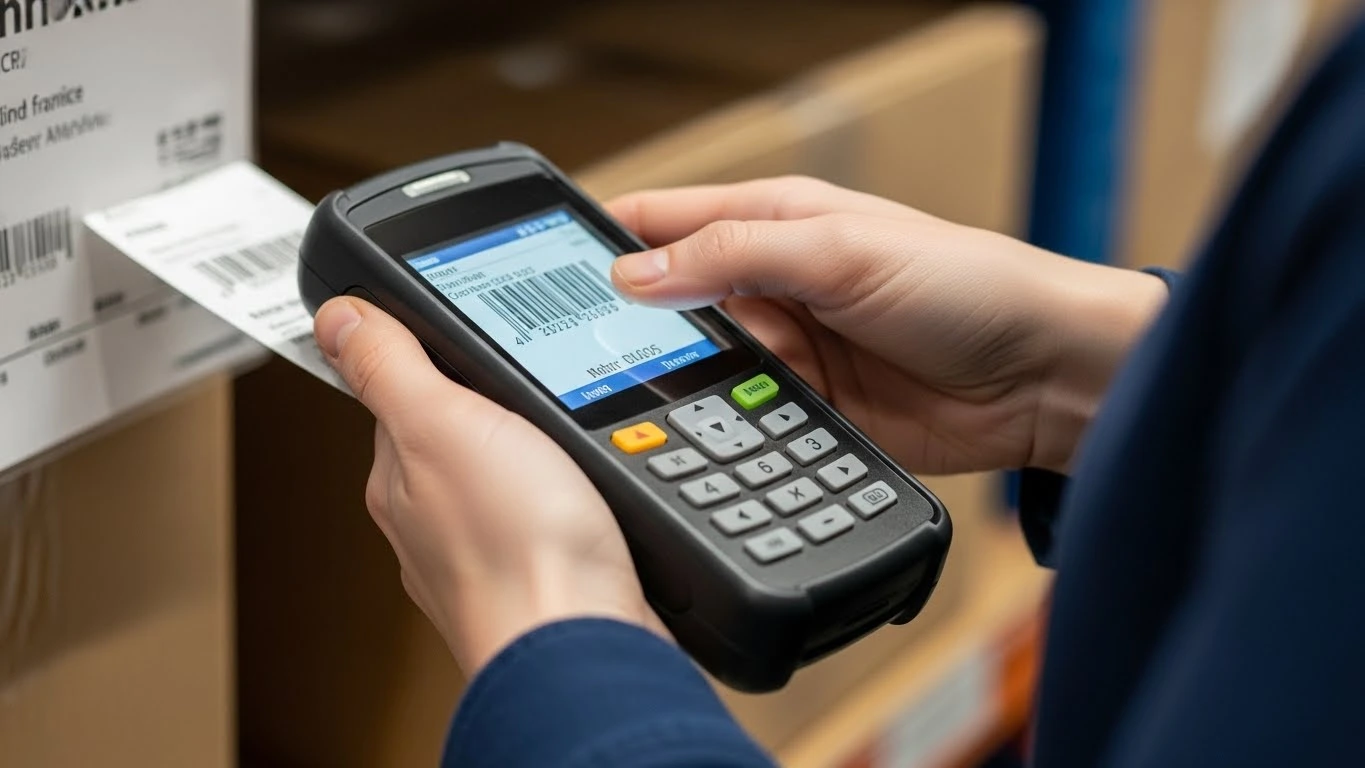
Warehouse Inventory Management Software With Barcode Scanning (Why It Matters)
Barcode scanning is one of the biggest accuracy improvements you can make.
Benefits of barcode-enabled inventory systems:
Faster receiving and picking
Fewer manual entry errors
Real-time stock updates
Easier cycle counts
Popular barcode-supported tools:
NetSuite
Zoho Inventory
Cin7
Fishbowl
Odoo
Most systems support:
Mobile phones
Bluetooth scanners
Dedicated handheld devices
Running a warehouse efficiently requires both accurate inventory management and the right workforce. If you need temporary or seasonal workers to keep operations smooth, platforms like Instawork make it easy to find qualified warehouse staff quickly.
FAQ
What’s the best system for managing warehouse stock levels?
The best systems provide real-time visibility, automated reorder alerts, and support for multiple SKUs. Look for WMS platforms like NetSuite, Fishbowl, or Zoho Inventory that fit your warehouse size and workflow.
What is the best tool for real-time warehouse inventory tracking?
Real-time tracking tools use barcodes, RFID, or mobile scanning to update stock levels instantly. Systems like Oracle WMS, Manhattan, and NetSuite offer reliable real-time inventory monitoring.
What are the best warehouse scanning systems?
Handheld scanners, mobile devices, and RFID readers improve picking accuracy and speed. Top options include Zebra, Honeywell, and Datalogic scanning systems.
Should we implement a barcoding system to improve picking accuracy?
Yes. Barcoding reduces errors, speeds up order fulfillment, and ensures accurate inventory tracking. It’s especially effective in medium to large warehouses with high SKU volumes.
What are the best warehouse inventory management systems?
Leading systems include NetSuite, Fishbowl, and Zoho Inventory, which combine stock tracking, order management, and reporting. Choose one that matches your warehouse size and operational needs.
How does warehouse inventory management work?
Warehouse inventory management tracks stock from receipt to shipping, monitors quantities, and ensures products are in the right location. Modern systems automate counting, reporting, and reorder alerts.
Which warehouse management system should I choose?
Select a WMS based on warehouse size, SKU volume, and integration needs. Popular choices for small and mid-sized warehouses include NetSuite, Fishbowl, and Zoho Inventory.
What are the best warehouse inventory control systems?
Inventory control systems like NetSuite WMS, Manhattan, and Fishbowl provide accurate stock counts, automated alerts, and support multi-location warehouses.
What’s the best inventory management platform for high SKU volumes?
Platforms with advanced tracking, reporting, and reorder automation like Oracle WMS, Manhattan, and NetSuite are ideal for warehouses with thousands of SKUs.
What are the best warehouse operations management tools?
Top tools combine inventory tracking, labor management, and order fulfillment, such as NetSuite, Fishbowl, and Manhattan WMS. These systems help streamline warehouse workflows and reduce errors.
Conclusion
Warehouse inventory management systems help businesses gain visibility, reduce errors, and scale operations without the complexity of a full WMS.
If you:
Need better stock control → choose an inventory management system
Need to optimize warehouse workflows → choose a WMS
Selecting the right tool depends on warehouse size, order volume, and operational complexity—not just features.
Don't forget to share this post!
Related Posts
Essential Warehouse Safety Tips to Reduce Injuries