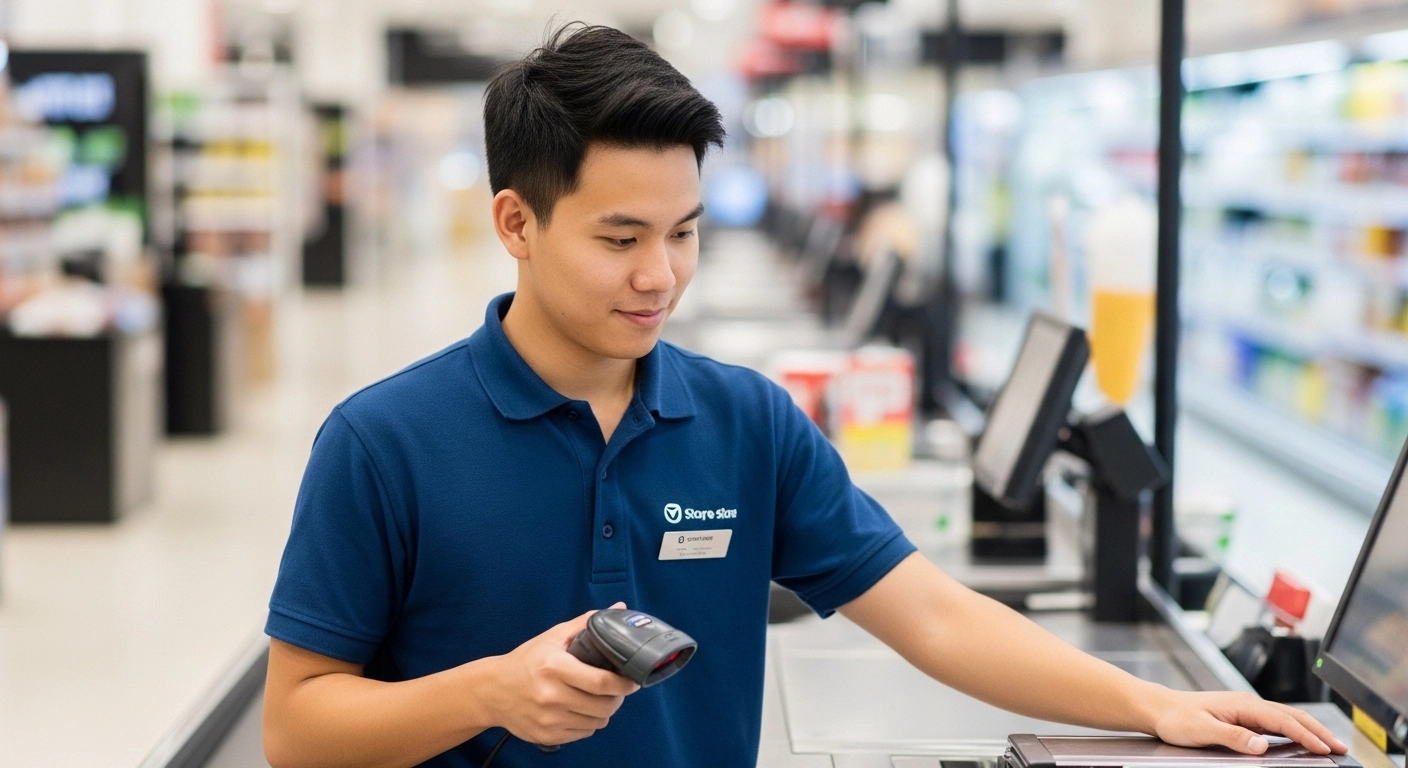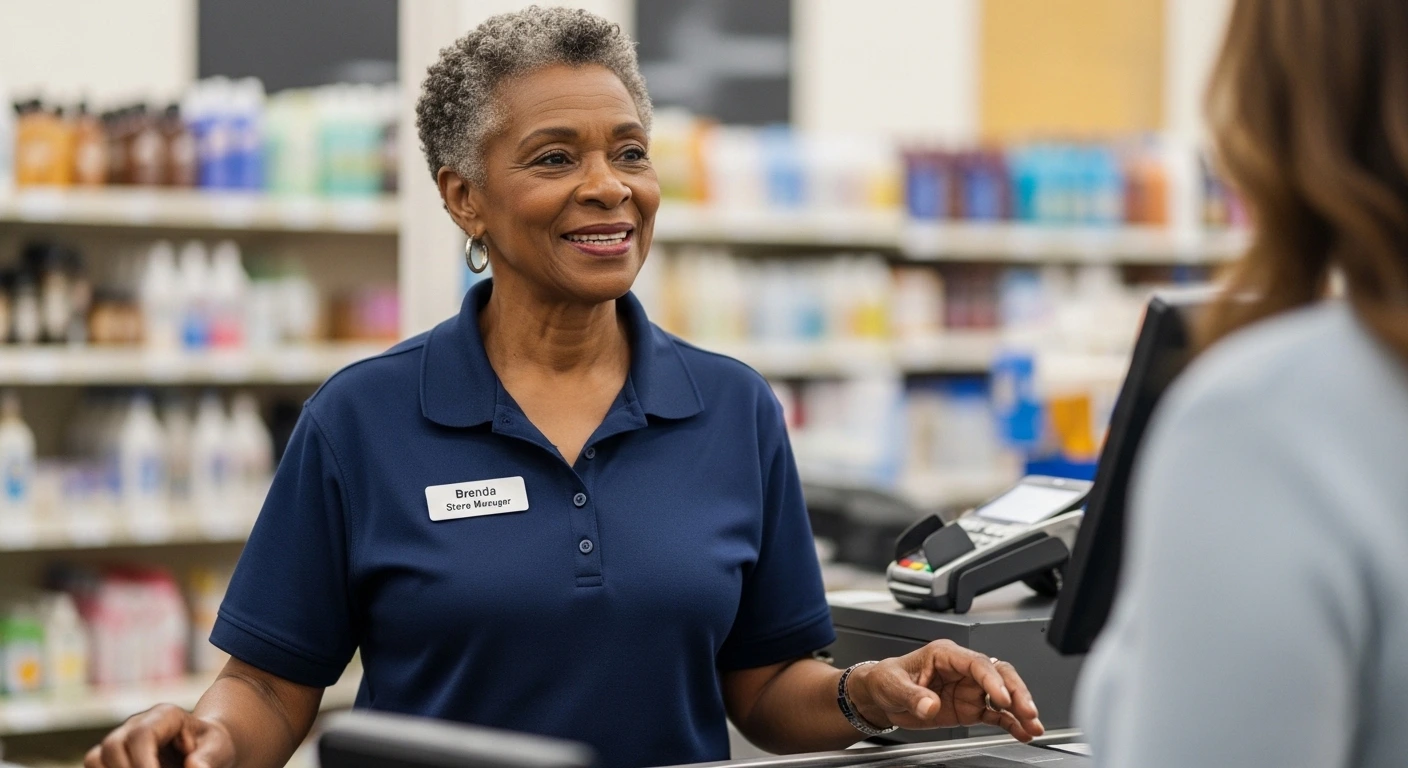
Store managers keep retail operations running smoothly by leading teams, elevating customer experiences, and driving profit through smart execution. Interviews can feel overwhelming because they probe leadership, operations, sales, and people skills all at once. This guide turns that challenge into a practical plan with Store manager interview questions, sample answers, and concise tips for both candidates and hiring teams.
Sample Answer: I’m a coaching-oriented leader who sets clear expectations, models behaviors, and gives timely feedback. I balance empathy with accountability and use short huddles to align daily goals, roles, and priorities.
What a Strong Answer Includes
Sample Answer: After a candid one-on-one, we agreed on a 30-day plan with specific metrics, shadowing, and check-ins. The associate’s conversion and add-on rates rose, and they later mentored new hires.
What a Strong Answer Includes
Sample Answer: I provide a short briefing with the “why,” break down responsibilities by role, and confirm understanding through quick practice. I follow up during the shift and recap in writing so everyone stays aligned.
What a Strong Answer Includes
Sample Answer: I listen without interruption, empathize, and restate the concern to show I understand. Then I offer policy-compliant options and, when appropriate, a goodwill gesture to preserve loyalty.
What a Strong Answer Includes
Sample Answer: I’d step in to resolve the customer’s issue, then privately coach the associate on expectations and alternatives they could have used. I’d document the conversation and monitor for improvement.
What a Strong Answer Includes
Sample Answer: I use tight receiving controls, cycle counts, high-risk item security, and POS exception reports. Regular audits and staff training reduce errors and deter theft, and I review trends weekly to adjust controls.
What a Strong Answer Includes
Sample Answer: I analyze sell-through, weeks of supply, and upcoming promotions to build informed orders. I adjust par levels by season and set alerts for fast movers to avoid stockouts and excess.
What a Strong Answer Includes
Sample Answer: I plan cycle counts by category risk, verify variances same day, and separate duties for accuracy. Post-count, I address root causes—receiving, tagging, or POS errors—and adjust procedures.
What a Strong Answer Includes
Sample Answer: I focus on traffic-to-conversion, attachment rates, and average ticket through targeted coaching and micro-promotions. I also refresh key displays and run outreach to top customers where appropriate.
What a Strong Answer Includes
Sample Answer: Conversion, AOV, UPT, shrink, labor as a percent of sales, and CSAT/NPS give a balanced view. These metrics guide staffing, coaching, and merchandising decisions.
What a Strong Answer Includes
Sample Answer: I compare price, placement, presentation, and promotion, then test changes like repositioning or bundling. I track lift over two weeks and scale what works.
What a Strong Answer Includes
Sample Answer: I map traffic and sales forecasts to labor by hour, reserve budget for key promotions, and prioritize tools that improve productivity. I review weekly to reallocate based on actuals.
What a Strong Answer Includes
Sample Answer: I analyze last year’s peaks, shipment volume, and marketing plans to model required coverage by zone. I hire early, use flexible shifts, and cross-train to stay agile.
What a Strong Answer Includes
Sample Answer: I define success for the first 30–60–90 days, pair them with a buddy, and use short, hands-on training blocks. Daily check-ins and clear milestones get them productive fast.
What a Strong Answer Includes
Sample Answer: For sales, I prioritize empathy, curiosity, and persistence; for stock, reliability, accuracy, and speed. I use role plays and work-sample tasks to validate skills.
What a Strong Answer Includes
Sample Answer: I align coverage to traffic patterns and balance preferences with business needs. For call-outs, I keep an on-call list, use split shifts if legal, and step in on the floor when needed.
What a Strong Answer Includes
Sample Answer: I run regular safety walks, maintain checklists for equipment and housekeeping, and train the team on incident reporting. I audit high-risk processes and correct immediately.
What a Strong Answer Includes
Sample Answer: Your brand’s service philosophy and growth strategy match my experience leading high-performing teams. I’m excited to scale best practices here and deliver measurable gains in sales and CX.
What a Strong Answer Includes
Sample Answer: It’s clean, well-merchandised, and easy to shop, with engaged staff anticipating needs. Standards are visible, consistent, and audited throughout the day.
What a Strong Answer Includes
Sample Answer: I’ve led multi-million-dollar stores, building teams that consistently beat conversion and shrink targets. My strength is turning insights into simple routines the team can execute daily.
What a Strong Answer Includes
Sample Answer: I bring a track record of growing sales while lowering costs through better labor planning and LP controls. I’ll deliver quick wins in the first 90 days and a sustainable playbook for ongoing growth.
What a Strong Answer Includes
Hiring teams look for balanced store leadership: people management that inspires performance; operational rigor across inventory, cash, and compliance; customer-first instincts under pressure; and commercial acumen to grow sales profitably. Strong candidates translate data into action, coach consistently, and uphold standards without losing the human touch. Evidence beats opinions—specific metrics, actions, and outcomes show readiness.
Practice concise stories that explain the situation, your responsibilities, the actions you took, and the measurable outcome. Emphasize your decision process, the metrics you watched, and what you changed after learning. Prepare a few adaptable examples covering customer recovery, team performance, sales dips, and operational controls.
Visit the store, study merchandising and service, and bring three short, quantified stories about sales impact, customer recovery, and operational controls. Be ready to discuss weekly KPIs and how you coach to them.
It helps, but strong fundamentals—team leadership, inventory discipline, and customer focus—transfer well. If you are shifting sectors, show how you learned products quickly and improved results within a new category.
Clear communicator, data-informed decision maker, consistent coach, and protector of standards. They combine empathy with accountability and turn strategy into daily routines the team can execute.
Plan 8–12 focused questions across leadership, operations, customer, and commercial impact, plus one practical exercise. Leave time for candidate questions to assess curiosity and fit.