Finding reliable workers or services quickly is one of the biggest challenges in the service industry. Whether you’re a business needing temporary staff, a restaurant facing a sudden rush, or a customer looking for convenient help, traditional methods like job boards or word-of-mouth can be slow and unreliable. Service industry apps solve this problem by connecting businesses, workers, and customers instantly, helping you get the help you need when you need it.
Here are some of the top service industry apps making this easier:
A service industry app is a mobile or web application designed to connect businesses with workers or customers in service-based industries. Unlike apps that sell physical products, these focus on services—things people do for others—such as staffing shifts, delivering goods, or providing on-demand help.
Common types of service industry apps include:
Best for: Local services and on-demand staffing
Instawork is the largest on-demand staffing app in the U.S. and Canada, connecting more than 15,000 businesses with over 9 million pre-vetted workers across 400+ cities. Companies use Instawork to fill one-time, recurring, and seasonal shifts, while the worker app has nearly 90,000 App Store ratings, reflecting broad adoption and trust from both workers and businesses.
Industries Instawork Provides Workers For:
Workers are pre-screened through role-specific onboarding, work experience checks, and skill verification. Businesses can require certifications, minimum experience levels, and specific skills, ensuring qualified professionals are ready for immediate shifts. Skills are also verified after each shift through business reviews, helping maintain quality over time. Instawork completes more than 5,000 skill assessment calls with workers every day, adding up to more than 30,000 minutes of conversations daily.
Most shifts are filled within 24 hours — often in as little as 6 hours. Thanks to Instawork's 90%+ fill rate, businesses can respond quickly to call-offs, peak demand, and seasonal fluctuations.
Attendance, punctuality, and last-minute availability are tracked and feed a reliability score, helping managers cut no-shows. The data-driven matching system leverages 2+ billion data signals and 30+ verified worker data points to ensure the right fit. These measures drive a 98% show rate and an average 4.8/5 worker rating, demonstrating consistent reliability across industries.
Managers can favorite high-performing workers and invite them back to future shifts, creating a consistent repeat workforce (roster) while retaining on-demand flexibility. 93% of the time, businesses want the same workers to return.
Best for: Food delivery
DoorDash connects customers with local restaurants and delivery drivers, allowing businesses to scale delivery services quickly without managing their own fleet.
Best for: Local services
TaskRabbit helps users hire local workers for errands, furniture assembly, home repairs, and other on-demand tasks, making everyday chores faster and easier.
Best for: Freelance and remote services
Upwork is a leading platform for remote professionals in writing, design, marketing, programming, and more, connecting businesses to specialized skills on a flexible, project-by-project basis.
Best for: Transportation services
Uber provides ridesharing and transportation on demand, helping drivers earn money and businesses or individuals get reliable local transport quickly.
Best for: Shopping services
Instacart connects customers to local grocery stores and personal shoppers, enabling quick, convenient grocery delivery with flexible scheduling.
Best for: Managed remote staffing and outsourced professional services
Kuubiik is a managed outsourcing platform connecting businesses with verified remote professionals across 150+ countries in Admin, Marketing, Design, IT, and Finance - handling onboarding, compliance, and account management so you don't have to.
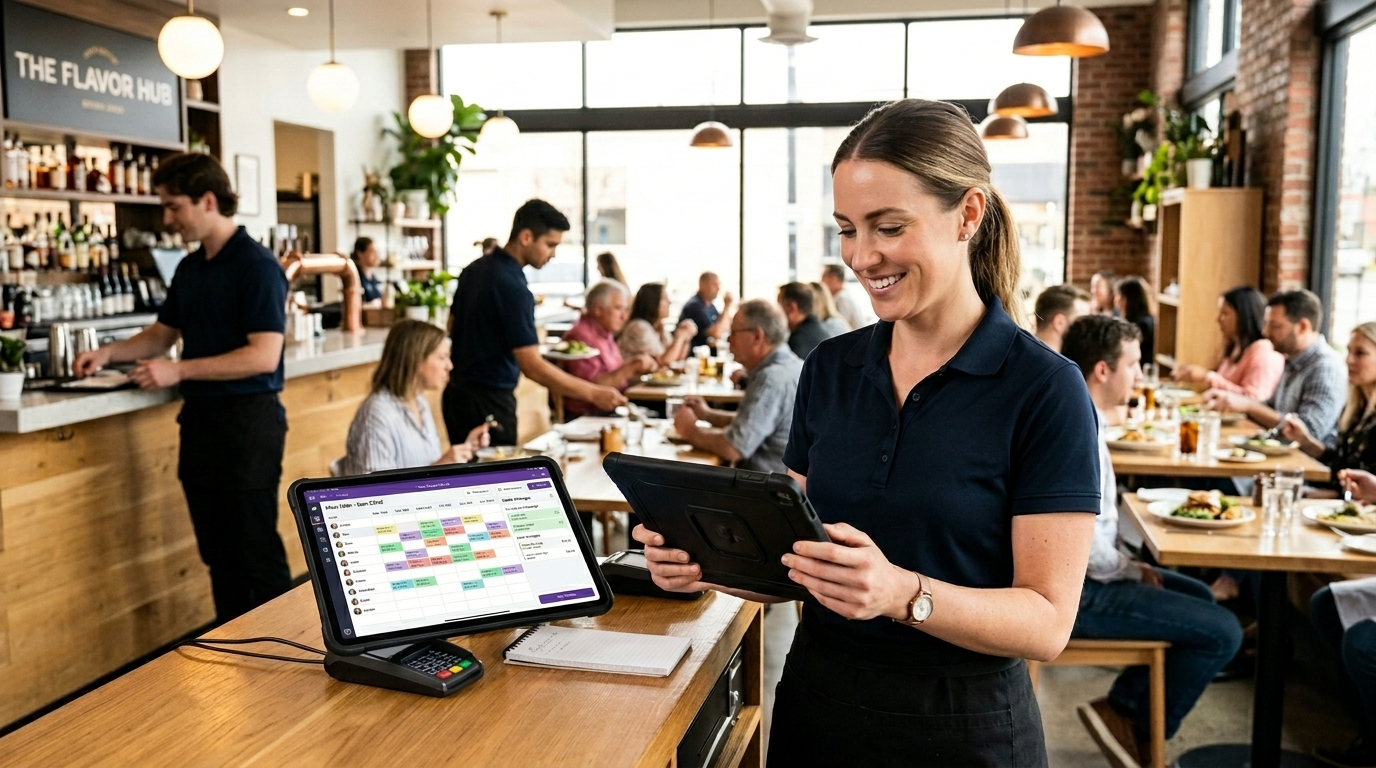
A good software for managing hourly workers in the food service industry is Instawork. It allows restaurants to post shifts, manage schedules, and track attendance while giving access to a large pool of pre-vetted hourly workers. Instawork helps fill last-minute openings, handle seasonal demand, and ensure reliable staffing, making it easier to run busy kitchens and dining operations efficiently.
These apps allow businesses to quickly find qualified workers, fill shifts, manage schedules, and track performance. They reduce administrative burden and help respond to seasonal spikes, last-minute call-offs, or sudden demand.
Yes. Workers can browse available shifts, gigs, or projects, often choosing assignments that fit their schedule. Apps like Instawork, TaskRabbit, and Upwork let workers earn income flexibly while gaining experience in different industries.
Most reputable apps include worker vetting, skill verification, and business reviews. Many platforms track reliability, ensure certifications, and provide secure payment systems to maintain trust and safety for all users.
Popular industries include hospitality (restaurants, hotels), logistics and warehousing, retail, home services, transportation, and entertainment. Freelance and remote services also use service industry apps for specialized skills.
Depending on the platform, many shifts are filled within hours, and most are filled within 24 hours. Apps use data-driven matching to ensure the right worker is available quickly.
Yes. Apps like Instawork track attendance, punctuality, and reliability, often using ratings and reviews from completed shifts. This helps businesses maintain quality and consistency over time.
Absolutely. Many businesses and workers use several apps simultaneously to maximize reach, access more opportunities, or find the best fit for their needs.
Yes. While they excel at on-demand and temporary staffing, apps often allow businesses to build rosters of preferred workers, making it easy to maintain a consistent, trusted team for recurring shifts.