Packer Interview Questions and AnswersPacker Interview Questions and Answers

Learn how we can meet your staffing needs

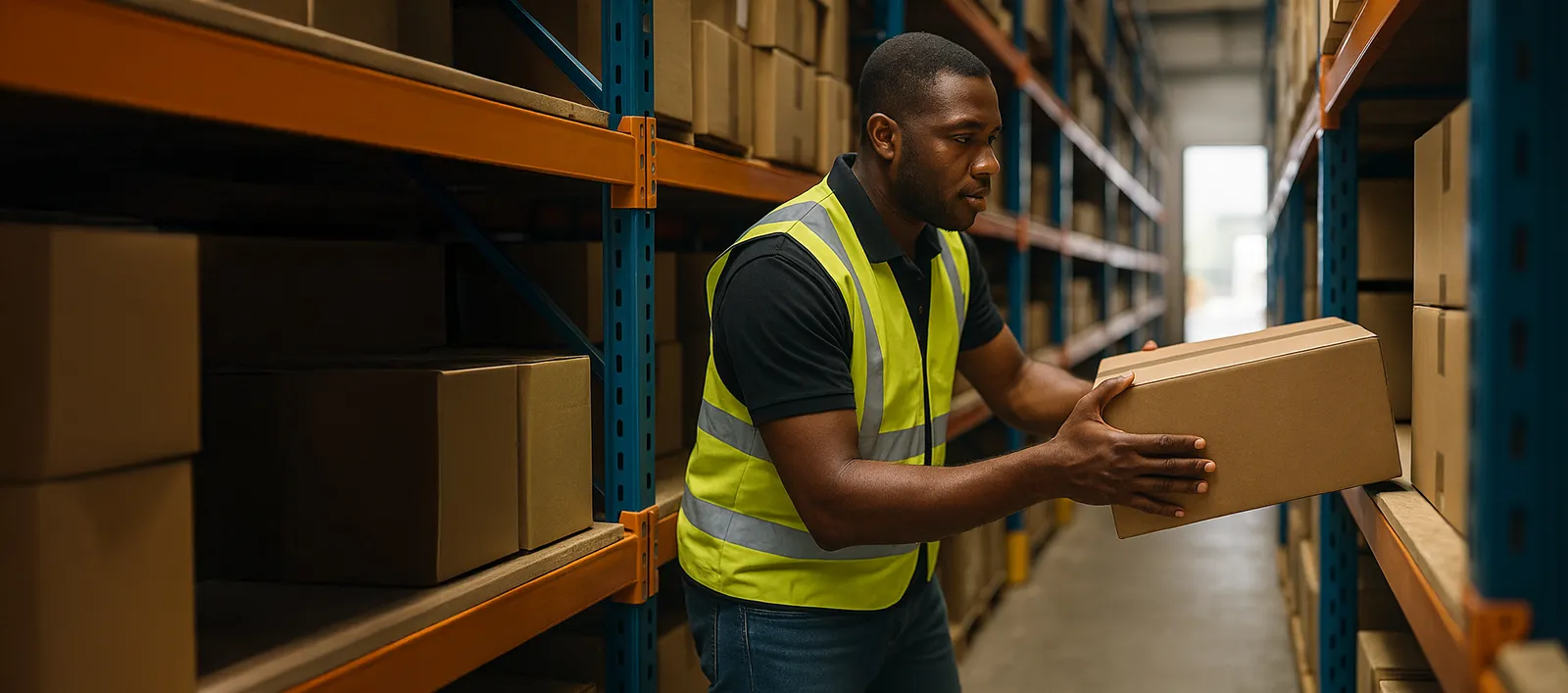
Packers select, protect, label, and prepare items for shipment, keeping orders accurate and moving safely at speed. Interviews can be tricky because the role blends physical stamina, safety habits, and precision under time pressure. This guide turns that challenge into a clear set of Packer interview questions with practical sample answers and evaluation pointers for both candidates and hiring teams.

Most Common Packer Interview Questions

  1. How do you ensure accuracy when picking and packing orders?
  2. Walk me through the packing process from order verification to shipment.
  3. How do you pack fragile items to avoid damage in transit?
  4. What material-handling equipment and warehouse technology have you used?
  5. How do you prioritize tasks to stay efficient during a busy shift?
  6. What steps have you taken to prevent workplace injuries?
  7. Why are you confident you can meet the physical demands of this role?
  8. Tell me about a time your team worked together to meet a tight deadline.
  9. You discover damage while packing—what do you do and how do you prevent it next time?
  10. Why do you want to work as a packer at our company?

Process and Accuracy Questions

How do you ensure accuracy when picking and packing orders?

Sample Answer: I verify each item with a scanner and cross-check quantities against the pick list before items enter the box. I separate orders on the bench to avoid mix-ups, then perform a final label and item count check before sealing.

What a Strong Answer Includes

  • Specific verification steps (scanner use, count checks, pick-list match)
  • Physical organization methods to prevent cross-contamination of orders
  • Final quality gate before sealing and labeling

Walk me through the packing process from order verification to shipment.

Sample Answer: I confirm the order, inspect items for damage, and choose the right box and cushioning. After packing, I seal, label, and stage the parcel in the correct area, updating the system so shipping can proceed smoothly.

What a Strong Answer Includes

  • Clear, logical steps from verification to staging
  • Material selection based on product type and transit needs
  • System updates and documentation accuracy

Describe your process for checking items against a packing list.

Sample Answer: I scan or visually confirm each SKU, mark off the list in sequence, and segregate verified items in a dedicated zone. If there’s a mismatch, I pause, recount, and reconcile before continuing.

What a Strong Answer Includes

  • Sequential verification method (scan-and-mark-off workflow)
  • Physical segregation of verified vs. unverified items
  • Defined stop-and-correct approach for discrepancies

How do you maintain a high level of accuracy over repetitive tasks?

Sample Answer: I use checklists and pace myself, adding brief micro-breaks to reset focus without slowing output. I also schedule spot checks to catch drift and keep error rates low.

What a Strong Answer Includes

  • Repeatable routines (checklists, spot checks)
  • Focus-maintenance tactics suited to repetitive work
  • Mention of accuracy metrics or error-rate awareness

How would you package a multi-part product so all pieces arrive together and intact?

Sample Answer: I wrap each component individually, use inserts or dividers, and secure parts to prevent movement. I include a contents list and label the box clearly so nothing is missed during receiving.

What a Strong Answer Includes

  • Individual protection plus immobilization of parts
  • Use of dividers/void fill tailored to product
  • Clear labeling and contents documentation

Handling Fragile and Hazardous Goods Questions

How do you pack fragile items to avoid damage in transit?

Sample Answer: I assess the item’s weak points, choose appropriate cushioning, and immobilize it with snug void fill. I seal well and apply the correct orientation and fragile labels.

What a Strong Answer Includes

  • Risk assessment and tailored cushioning choice
  • Immobilization and snug fit to prevent shifting
  • Proper labeling and handling instructions

What’s your familiarity with packaging hazardous materials?

Sample Answer: I follow company procedures and relevant regulations, referencing SDS documentation and required labeling. If I’m unsure, I escalate to a trained lead to ensure full compliance.

What a Strong Answer Includes

  • Awareness of classifications, SDS, and labeling
  • Adherence to SOPs and legal requirements
  • Appropriate escalation when outside certification scope

Equipment, Tools, and Systems Questions

What material-handling equipment and warehouse technology have you used?

Sample Answer: I’m comfortable with pallet jacks, hand trucks, and—if required—forklifts with proper certification. I use handheld scanners and have worked in a WMS to update picks, inventory, and order status.

What a Strong Answer Includes

  • Specific tools and any active certifications
  • Safety-first operation and pre-use checks
  • Experience with scanners and WMS basics

Can you describe your experience with inventory or warehouse management software?

Sample Answer: I track picks, adjust inventory counts when authorized, and update order progress to keep teams aligned. I also use the system to flag discrepancies and support cycle counts.

What a Strong Answer Includes

  • Concrete tasks performed in WMS/ERP
  • Accuracy in data entry and status updates
  • Use of system to resolve or escalate discrepancies

How would you handle a packaging machine malfunction mid-shift?

Sample Answer: I stop the equipment safely, notify the lead or maintenance, and perform basic checks within my training. I switch to a manual process if possible to limit downtime and document the incident.

What a Strong Answer Includes

  • Safety-first shutdown and lockout awareness
  • Clear escalation and communication protocol
  • Contingency plan to maintain throughput

Time Management and Prioritization Questions

How do you prioritize tasks to stay efficient during a busy shift?

Sample Answer: I sort by deadlines and carrier cutoffs, batch similar routes, and coordinate with the team to reduce travel time. I protect quality checks even when speeding up.

What a Strong Answer Includes

  • Priority rules tied to cutoffs and SLAs
  • Batching and route optimization to reduce motion
  • Commitment to quality controls under pressure

How do you manage multiple orders during peak volume?

Sample Answer: I triage by promised ship times, stage orders using a clear visual system, and keep leads updated on any risks. I maintain minimum quality steps, even when accelerating.

What a Strong Answer Includes

  • Triage method aligned to business commitments
  • Visual staging or color-coding system
  • Proactive communication on delays or trade-offs

What do you do when priorities shift and some tasks remain unfinished?

Sample Answer: I update my lead on current status, document handoffs clearly, and plan carryover without losing track of accuracy. I log any exceptions in the system so the next shift has context.

What a Strong Answer Includes

  • Clear status reporting and documentation
  • Thoughtful handoff planning
  • System notes to preserve continuity

Safety and Compliance Questions

What steps have you taken to prevent workplace injuries?

Sample Answer: I use proper lifting techniques, inspect tools before use, and ask for help with heavy or awkward loads. I also manage hydration and breaks to stay alert throughout the shift.

What a Strong Answer Includes

  • Manual-handling best practices
  • Pre-use equipment checks and assistance requests
  • Fatigue management and situational awareness

How do you keep safety front and center during a fast shift?

Sample Answer: I wear required PPE, follow SOPs, and never bypass guards or safe paths to save time. I report hazards immediately and pause work if conditions are unsafe.

What a Strong Answer Includes

  • Consistent PPE and SOP adherence
  • Hazard identification and reporting
  • Willingness to stop work when needed

What would you do if a coworker ignored safety protocols?

Sample Answer: I’d address it respectfully in the moment if safe, remind them of the procedure, and escalate to a lead if it continues. I’d document it per policy to prevent recurrence.

What a Strong Answer Includes

  • Respectful peer intervention
  • Proper escalation channels
  • Documentation aligned with company policy

Physical Demands and Productivity Questions

Why are you confident you can meet the physical demands of this role?

Sample Answer: I’m used to standing for long periods, lifting within typical warehouse limits, and pacing my effort to stay consistent. I combine safe form with steady cadence to sustain output.

What a Strong Answer Includes

  • Realistic understanding of lifting and standing demands
  • Safe body mechanics and pacing strategies
  • Examples of past stamina in similar roles

How do you stay motivated during repetitive or high-pressure work?

Sample Answer: I set mini-targets, track my own quality, and take short, approved resets to maintain focus. When pressure rises, I lean on routine and communication with the team.

What a Strong Answer Includes

  • Personal motivation tactics and micro-breaks
  • Quality self-check habits
  • Team coordination during peak loads

Teamwork, Communication, and Culture Questions

Tell me about a time your team worked together to meet a tight deadline.

Sample Answer: We split roles by strengths, batched similar orders, and kept updates flowing to avoid rework. We hit the cutoff with zero returns due to mispacks.

What a Strong Answer Includes

  • Role clarity and collaboration tactics
  • Communication that prevents errors and delays
  • Outcome with measurable impact

How do you build rapport with new teammates or different communication styles?

Sample Answer: I use clear, concise instructions, confirm understanding, and invite questions. I’m patient with new hires and share tips that helped me ramp up quickly.

What a Strong Answer Includes

  • Adaptable, respectful communication
  • Verification of understanding
  • Willingness to mentor and share know-how

How would you handle a coworker who isn’t pulling their weight?

Sample Answer: I’d start with a direct, supportive conversation and offer help or tips. If performance doesn’t improve, I’d inform the lead to protect team safety and throughput.

What a Strong Answer Includes

  • Constructive, private feedback first
  • Offer of support or coaching
  • Escalation if standards remain unmet

Describe a disagreement with a coworker and how you resolved it.

Sample Answer: I focused on the shared goal, listened to their reasoning, and proposed a compromise that met safety and speed needs. We aligned with the lead to standardize the approach.

What a Strong Answer Includes

  • Calm, respectful conflict resolution
  • Focus on shared outcomes
  • Alignment with supervisor/SOPs

Situational Problem-Solving Questions

You discover damage while packing—what do you do and how do you prevent it next time?

Sample Answer: I quarantine the item, document it, and notify my lead for replacement or rework. I review the cause and adjust packing materials or steps to avoid repeat issues.

What a Strong Answer Includes

  • Immediate isolation and documentation
  • Clear notification and resolution path
  • Preventive change to materials or process

You’re packing a large order when asked to unload a trailer—how do you handle the conflict?

Sample Answer: I confirm priorities with the supervisor, communicate the status of the current order, and secure a proper handoff if I switch tasks. That avoids errors and keeps the top priority moving.

What a Strong Answer Includes

  • Priority clarification with leadership
  • Documented handoff to protect accuracy
  • Focus on minimizing total delay

A product is out of stock but the customer needs it—what do you do?

Sample Answer: I verify counts, check substitutes or incoming stock, and inform the lead or customer service with realistic timelines. I document the choice and ensure the order record is updated.

What a Strong Answer Includes

  • Verification of inventory and options
  • Stakeholder communication and expectation setting
  • Clear documentation of the decision

Packaging is a bottleneck due to complexity—how would you streamline?

Sample Answer: I’d test alternative materials, standardize steps with simple job aids, and reorganize the station for flow. I’d measure throughput and damage rates to confirm improvements.

What a Strong Answer Includes

  • Targeted trials and station layout changes
  • Standard work/job aids to reduce variation
  • Measurement of speed and quality impact

Two orders require the same limited-stock item—how do you resolve it?

Sample Answer: I escalate prioritization to the lead, document the allocation, and coordinate with customer service on ETAs for the other order. Transparency prevents confusion and duplicate picks.

What a Strong Answer Includes

  • Escalation for final priority decision
  • Clear allocation records
  • Proactive communication of ETAs

A label came off a packed item—what’s your next step?

Sample Answer: I isolate the package, re-identify the order using documentation and system checks, then reprint and reapply the label per protocol. I confirm tracking matches before releasing it.

What a Strong Answer Includes

  • Isolation and re-identification safeguards
  • Reliable source-of-truth checks (system/docs)
  • Verification before returning to the line

You find a quantity discrepancy while packaging—how do you handle it?

Sample Answer: I recount, review pick history, and correct the order to match the system. I log the discrepancy and alert the lead so root cause can be addressed.

What a Strong Answer Includes

  • Recount and trace-back steps
  • Order correction with accurate records
  • Escalation for root-cause follow-up

Quality and Continuous Improvement Questions

Share a time your attention to detail improved the outcome.

Sample Answer: I noticed a recurring label mismatch and updated our check step, which reduced returns that week. The small change saved time and prevented customer issues.

What a Strong Answer Includes

  • Specific mistake caught or risk avoided
  • Result with measurable or clear impact
  • Simple, repeatable improvement

Tell me about a method you developed to finish an important task better or faster.

Sample Answer: I reorganized my station to keep common materials within easy reach and added a quick pre-pack check. Throughput improved without raising damage rates.

What a Strong Answer Includes

  • Concrete method or layout change
  • Measured benefit (speed/quality)
  • Scalability for the team

If you could automate one aspect of packing, what would it be and why?

Sample Answer: I’d automate label printing and verification to cut rework from mislabels. It speeds up processing and reduces shipping errors.

What a Strong Answer Includes

  • Clear pain point and rationale
  • Expected impact on speed and accuracy
  • Awareness of practical implementation

Credentials, Policies, and Fit Questions

What warehouse certifications do you hold?

Sample Answer: I hold a valid forklift certification and completed basic first aid. I’m open to additional training like reach truck or CPR if needed.

What a Strong Answer Includes

  • Current, relevant certifications and dates
  • Safety training beyond equipment use
  • Willingness to upskill

Why do you want to work as a packer at our company?

Sample Answer: I like your focus on reliable delivery and see a strong fit with my accuracy and safety habits. I’m motivated by clear performance goals and opportunities to grow.

What a Strong Answer Includes

  • Tie to company products, values, or service standards
  • Alignment with personal strengths and goals
  • Specific motivation beyond needing a job

What strengths set you apart from other candidates?

Sample Answer: I bring a proven accuracy record, strong communication, and a habit of suggesting small process tweaks. I’m reliable and comfortable with both speed and precision.

What a Strong Answer Includes

  • Evidence-backed strengths (accuracy, reliability)
  • Team and communication value
  • Continuous-improvement mindset

Are you able to complete standard pre-employment checks?

Sample Answer: Yes, I understand many warehouses require background and drug screening and I’m prepared to complete them. I’m also comfortable with any site-specific safety orientations.

What a Strong Answer Includes

  • Clear acknowledgment of common checks
  • Willingness to comply with policies
  • Professional, concise response

Additional Practicals Questions

What’s the largest or most awkward item you’ve packaged and moved?

Sample Answer: I planned the lift, chose the right box and supports, and used a team lift with a pallet jack for safe movement. We secured it with strapping and verified weight limits before shipping.

What a Strong Answer Includes

  • Planning and material choices for size/weight
  • Safe handling, including team lifts
  • Equipment selection and load verification

How would you handle an equipment shortage when demand spikes?

Sample Answer: I’d schedule shared use, identify manual workarounds, and flag the bottleneck to the lead for temporary reassignments. I’d protect quality while keeping flow moving.

What a Strong Answer Includes

  • Resource-sharing and scheduling approach
  • Workarounds that maintain safety/quality
  • Escalation to adjust staffing or priorities

Interview Preparation Tips for Candidates

How to prepare effectively

Sample Answer: Before your interview, review the job description, note your experience with scanners/WMS, and prepare brief examples showing accuracy, safety, and teamwork. Practice concise answers and be ready to discuss physical readiness and certifications.

What a Strong Answer Includes

  • Concrete examples of accuracy, safety, and speed
  • Familiarity with tools, equipment, and SOPs
  • Proof of reliability: attendance, certifications, references

Hiring Notes for Employers

Raising interview signal quality

Sample Answer: Align questions to three lenses—hard skills (tools/WMS), behavioral judgment (safety, problem-solving), and soft skills (teamwork, communication). Use consistent criteria on accuracy habits, safety mindset, physical readiness, and clarity of process.

What a Strong Answer Includes

  • Role-relevant scenarios tied to real workflows
  • Short, comparable criteria per question
  • Notes on certifications and policy compliance

To explore a new path forward in campus staffing.