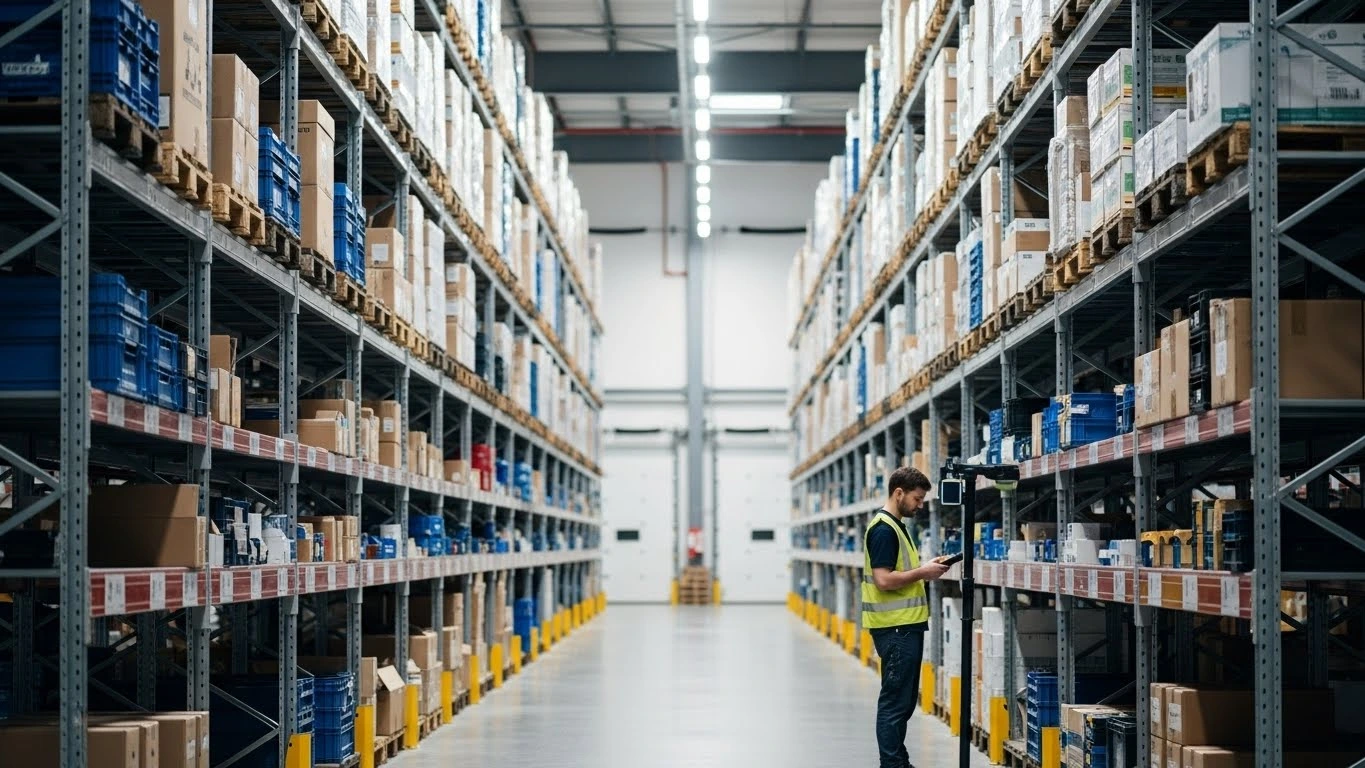
Warehouse work is demanding year-round. Tight deadlines, physical labor, and productivity targets can place constant pressure on frontline teams. When that pressure turns into burnout or disengagement, morale drops—and safety, retention, and performance suffer.
Improving morale on the warehouse floor isn’t just a seasonal concern; it’s an ongoing priority for any operation that wants to stay productive and competitive. Below are practical, proven ways to keep spirits high and support your workforce every day.
Understaffing is one of the fastest ways to burn out warehouse employees. While keeping labor costs lean may seem necessary, working your team to exhaustion often costs more in the long run through mistakes, injuries, absenteeism, and turnover.
Bringing in additional support allows your core team to maintain a sustainable pace. Many companies use flexible staffing providers like Instawork to scale up during peak seasons without long-term commitments. You can add workers for a few shifts or for the entire season, adjust staffing as demand changes, and give permanent employees much-needed relief. Pre-vetted, experienced professionals can step in quickly, helping you protect morale while maintaining productivity.
Need a few more hands to help take some of the pressure off your team? Sign up for Instawork.
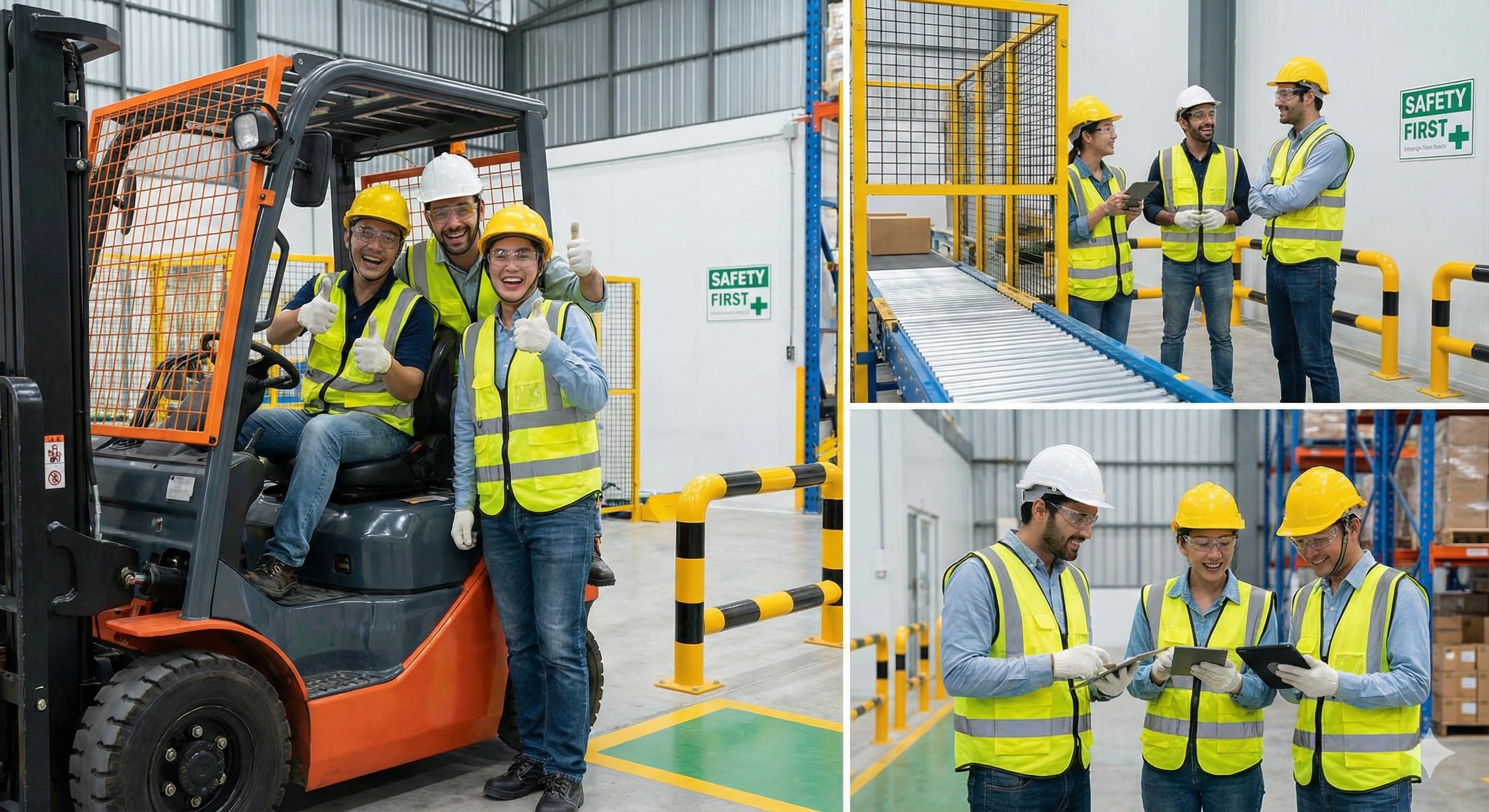
Warehouse work is physically demanding and can be dangerous—especially during high-pressure periods. Emphasizing safety shows employees that their well-being matters more than speed alone.
Ensure workers have access to proper protective equipment, hydration, and snacks to stay energized. Reinforce safe lifting techniques, rest breaks, and facility-specific safety protocols. Recognize teams for injury-free days or strong safety compliance with small rewards such as coffee, gift cards, or bonuses. A safer environment leads to greater trust, confidence, and engagement.
Simple check-ins can make a meaningful difference. Encourage managers to ask employees how they’re doing, what they need, and what could be improved—and to take action on that feedback.
Consider wellness tools that support physical and mental health, such as employee wellness platforms, calming background music, or practical gifts like reusable water bottles, lifting braces, or massage rollers. The holidays can be stressful, and acknowledging that reality helps employees feel supported both on and off the clock.
Free meals and snacks are appreciated, but they’re far more impactful when employees have time to enjoy them. Instead of rushed bites between tasks, schedule rotating sit-down breaks so teams can relax and connect.
One approach is hosting catered lunches every couple of weeks during peak season and encouraging managers to join the team. Even short, shared breaks can strengthen relationships, reduce stress, and improve morale without disrupting operations.
Bring in a catered lunch every 2 weeks beginning in November through the end of the year, and make it known as the sit-down time when they're encouraged to put down their work and relax for a bit.
Perry Knight, Co-Founder of Wheelie Great.
Recognition shouldn’t be reserved only for safety issues or mistakes. When employees help a teammate, train a new hire, or push through a tough shift, acknowledge it.
Public praise, employee-of-the-week programs, or small bonuses can go a long way. When workers feel appreciated—and see others being recognized—they’re more likely to stay engaged and motivated.
Ending each shift with a simple “thank you” can leave a lasting impression. Having managers check in as employees clock out shows appreciation and opens the door for valuable feedback.
Listening to frontline input can uncover operational improvements that reduce stress, such as adjusting delivery schedules or redistributing workloads. Acting on feedback reinforces trust and shows employees their voices matter.
Given the current dysfunctionality of supply chains, it is critical that on a daily basis, we acknowledge and thank our employees.
William McKinnon, President of Canadian Alliance Terminals
We're focusing on listening to the team's feedback and improving wherever we can.
Brian Lim, CEO of men's apparel company INTO THE AM.
Employees are more engaged when they see a future for themselves. Offer cross-training opportunities, certifications, or chances to learn new equipment and processes. Even small development opportunities can boost motivation and reduce turnover by showing workers that their efforts contribute to long-term career growth.
Unclear or constantly changing schedules can quickly drain morale. Whenever possible, publish schedules in advance and communicate changes early. Giving employees predictability helps them plan their lives outside of work and reduces stress during already demanding peak periods.
Frontline supervisors have the biggest impact on day-to-day morale. Train managers to recognize burnout, communicate clearly, and lead with empathy under pressure. A supportive supervisor who listens and advocates for their team can dramatically improve engagement and retention.
Peak season is tough—acknowledge it. Celebrate hitting shipping goals, completing a challenging week, or wrapping up the season successfully. Small celebrations, shout-outs, or team rewards help employees feel proud of their work and reinforce a sense of shared accomplishment.
Improving warehouse morale isn’t about one-time perks or short-term fixes—it’s about consistently showing employees that their safety, time, and contributions matter. When workers feel supported and appreciated, they’re more engaged, more productive, and more likely to stay.
Whether through better staffing, stronger communication, or simple recognition, investing in morale pays off in a safer workplace and a stronger operation overall.